

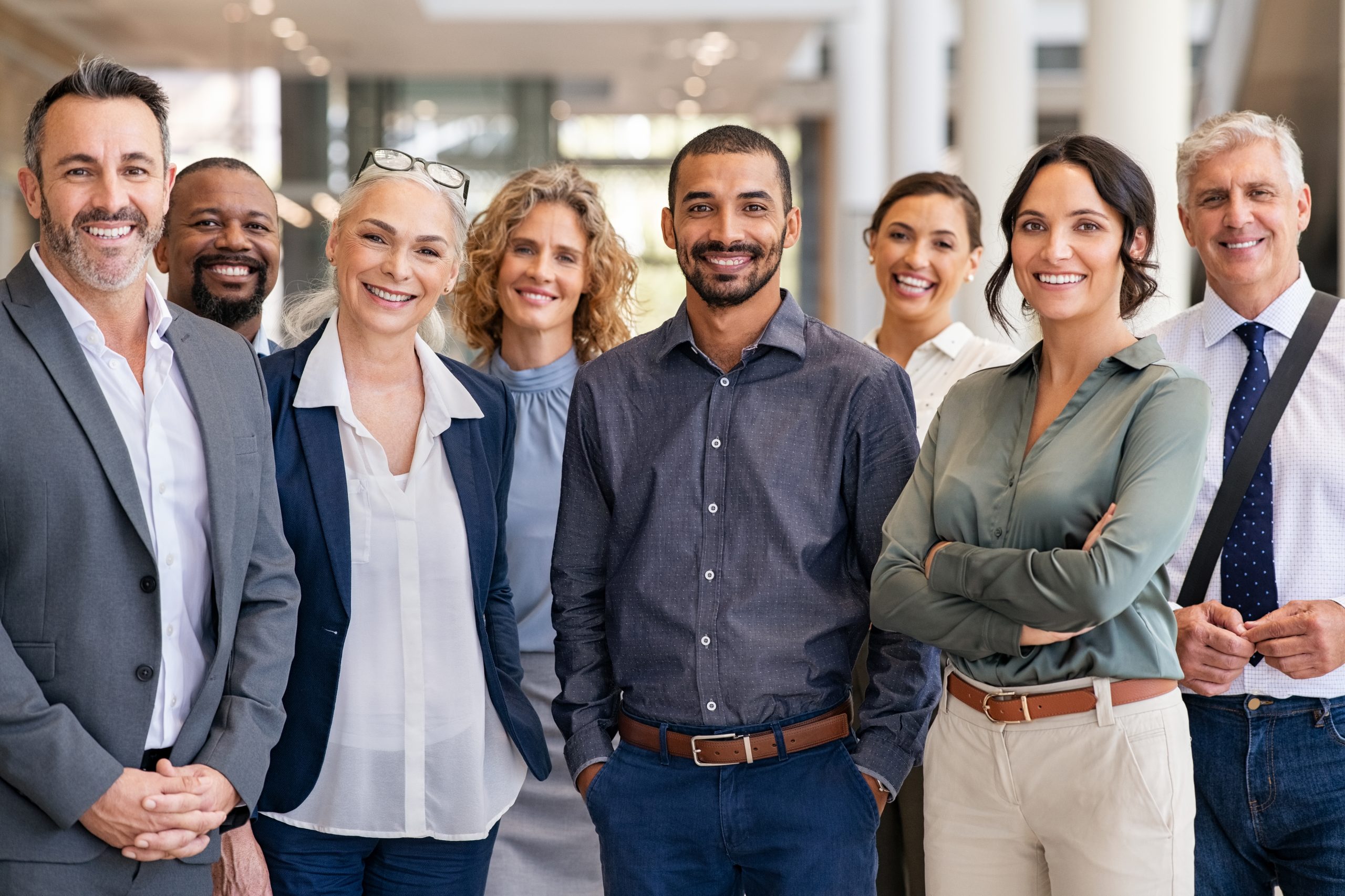
Traditionally, learning in an organization is a one-way street — junior members seeking wisdom from the more seasoned senior members. But, as organizations begin to recognize the value of age diversity in their workforce, a new trend of older employees looking to their younger counterparts to receive their knowledge has begun to emerge.
Effective intergenerational learning can provide many benefits to individual employees within an organization as well as the organization itself. For one, like many other types of knowledge sharing, learning across generations can serve to motivate employees. Researchers studying the effects of increased intergenerational learning found that older workers who sought knowledge from younger workers reported increased perceived ability to fulfill job demands, as well as contributed to their sense of need fulfillment at work.
Younger workers seeking knowledge from older colleagues can also benefit in mostly similar ways. But, especially in the case of employees in younger generations, receiving knowledge from older coworkers can increase their likelihood to stay in their company.
Although many older workers have begun to seek knowledge from younger coworkers on their own, there are steps organizations can take to encourage this process. And, in some cases, organizational interventions may be necessary for this format of knowledge transfer to happen at all. Conventional practice would suggest that older employees always possess greater expertise and wisdom than younger ones, and some may be reluctant to go to individuals significantly younger than them for advice.
In fact, older employees who find themselves needing to seek advice from younger employees may experience embarrassment. Organizations should take steps to prevent this type of emotional response to cross-generational learning, as it can have the opposite of the desired effect on an employee’s motivation.
Supporting intergenerational learning
Knowledge transfer can be an enriching experience for all generations, but especially so when it happens within a culture that rejects the notion that members of an older generation have nothing to learn from those younger than them. Organizations interested in encouraging intergenerational learning can take several steps to create an environment which supports a learning-friendly culture.
- Create learning opportunities. If you want intergenerational learning to occur organically within your organization, you can consider starting with giving people a specific platform and opportunity to share their expertise. For example, assign a different member of your team each week to start a meeting by sharing a new piece of wisdom they have learned within the past few months. Be careful to keep age diversity in mind as you assign speakers from week to week.
- Allow for intergenerational socialization. Intergenerational learning happens most often when those of different generations feel connected to one another. Organizationally sponsored opportunities for communication between generations can contribute to a sense of understanding and ease between coworkers, making them more likely to seek each other out for advice and expertise. These opportunities can be formal such as team-building events, but can also be informal such as leaders encouraging their teams to spend lunches together.
- Identify who has wisdom to share. Find out who is quietly contributing their advice and knowledge behind the scenes. Once these individuals are identified, their contributions to learning can be outwardly recognized within the organization. Not only will the act of rewarding inspirational employees encourage others to engage in knowledge sharing, it can also serve to illustrate to individuals in the company what they still have to learn from their colleagues — or what they themselves may have to offer.
- Establish collaborative mentoring programs. To really make sure the generations are learning from each other, organizations can consider setting up a formal cross-generational mentoring program. Help age diverse employees connect with each other, perhaps by assigning a long-tenured employee a new hire they will mentor. However, as opposed to a traditional one-way mentoring relationship, the program should stress the idea that both sides can learn from each other equally.
By following the above steps, an organization may be able to more effectively leverage expertise within their workforce. And, more specifically, it can lead to knowledge distribution between generations, creating more confident and motivated employees of all ages.
Understanding age diversity
Organizations may also need to examine how different generations approach knowledge sharing. Studies (such as this one or this one) demonstrate that younger and older employees tend to find different sources of motivation in their work, and, as a result, may handle growth in their careers differently. This mismatch can create a rift between the generations in an organization as they struggle to understand each other, but learning how to manage a diverse set of needs can benefit everyone.
Here are some research-based differences in generational trends to keep in mind when fostering and maximizing the benefits of age diversity within an organization:
- Younger workers seek growth goals. Employees in younger generations prioritize information acquisition and utilization because they value developing their careers. Therefore, in a knowledge-sharing relationship, they will tend to prefer receiving knowledge rather than offering it.
- Older workers seek life meaning goals. Employees in older generations tend to be in later stages of their career where advancement is not a priority. Instead, they pursue goals that are emotionally meaningful to them. For example, goals related to generativity (a desire to guide the next generation). Therefore, older employees are likely to prefer to offer knowledge rather than receive it.
- Younger workers are more likely to leave. Millennials (born between 1981 and 1996) are twice as likely to leave their job as Gen-Xers (1965-1980), and three times as likely as Baby Boomers (1946-1964). Organizations wishing to retain their younger employees might make an extra effort to supply them with mentoring relationships or other forms of guidance from more senior employees. Not only will this help them fulfill knowledge-related goals (a priority for younger workers), but will also provide them greater opportunities for upward mobility within the company.
- Some needs are universal. Something important to remember when considering age diversity in the workplace is that generations may be more similar than they are different in their core wants and needs. According to self-determination theory, any person of any generation will be motivated to grow through achieving autonomy (a sense of control over one's goals and behavior), competence (mastering skills needed for success), and relatedness (a feeling of connection to others). Fostering intergenerational learning can effectively lead to employees of all ages fulfilling these needs.
You don't have to do it alone
If this seems overwhelming in any way to you, let’s talk. At Innovative Connections, we have a team of experienced consultants and executive coaches who are adept at navigating the rapidly changing organizational environment. We would love to be part of your journey as you encounter the successes and challenges that lie ahead. For a free consultation to talk about transforming your organizational culture, or how leadership development and professional coaching can help you or your organization, please contact us for a no-obligation, free consultation by clicking this link: Innovative Connections or calling us at 970-279-3330.
Our mission is to give voice and action to an emerging future. As a partner in your success, we would love to help you find your voice, see your vision, and imagine what the right action could be for you, your team, and your organization.